Culture
Jingdezhen, shaped by earth and fire
A living production culture formed through materials, specialised labour, technical exchange, and generations of makers.
Jingdezhen became more than a kiln centre. It developed into a city where making, trading, teaching, and visual invention were organised around porcelain.
From the large-scale production of qingbai wares to blue-and-white porcelain, overglaze enamels, and contemporary studio ceramics, the city has repeatedly absorbed new materials and ideas without losing its specialised craft infrastructure.
The result is not one fixed style. It is an ecosystem: mines and clay processors, throwers and mould makers, painters and glaze specialists, kiln workers, merchants, scholars, collectors, and artists working at different scales.
Read the UNESCO World Heritage overviewA working chronology
Continuity through change
Qingbai foundations
Bluish-white porcelain production established the region as a major centre of refined, high-fired ceramics.
Blue and white
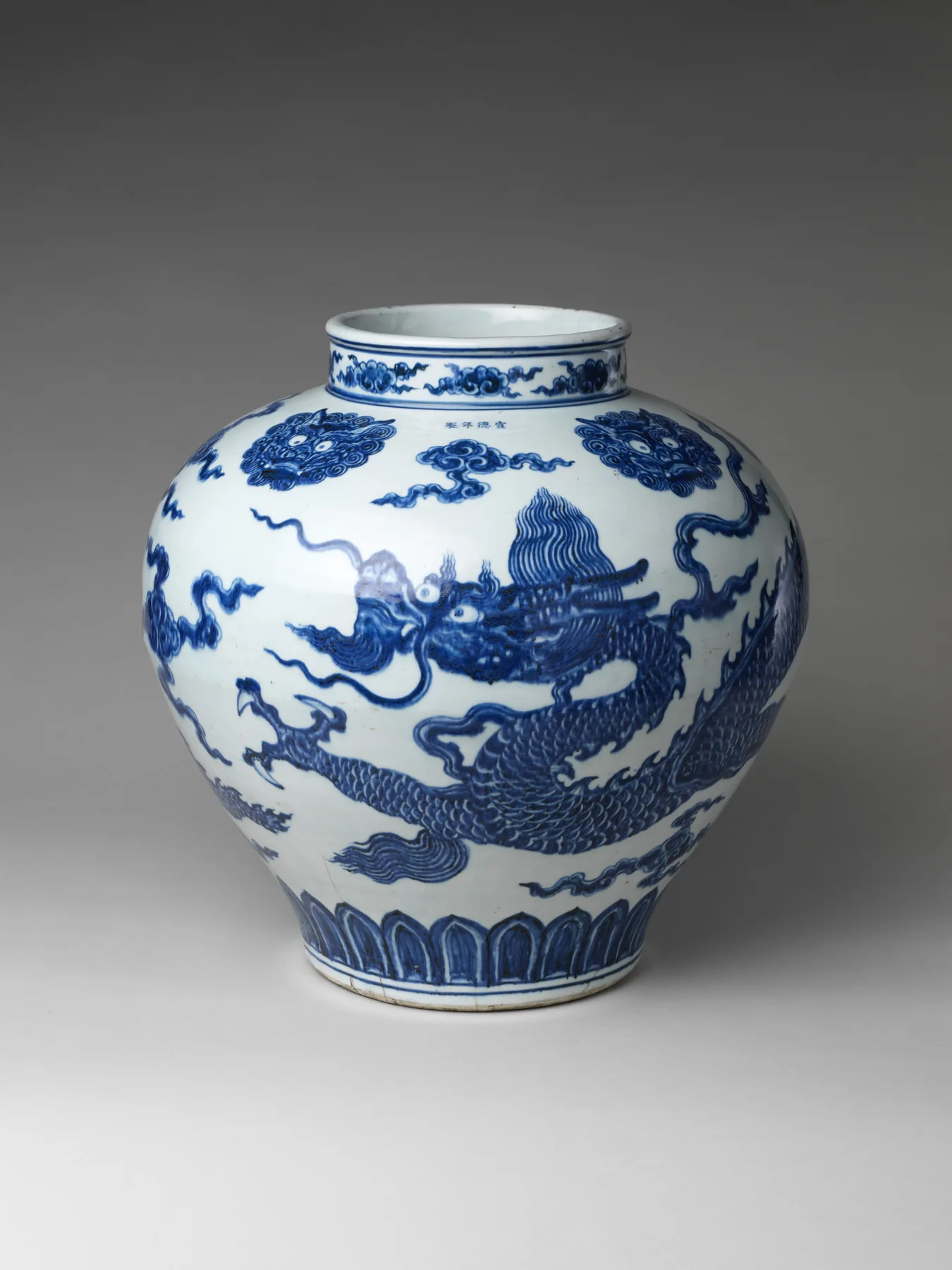
Kaolin-rich bodies, cobalt painting, kiln development, and expanding trade transformed what porcelain could look like and where it could travel.
A global production city
Highly specialised workshops supplied imperial, domestic, and export markets while enamel palettes and decorative vocabularies multiplied.
Inherited skill, individual practice
Factories, family workshops, universities, independent studios, and international artists now work within the same material landscape.
Film
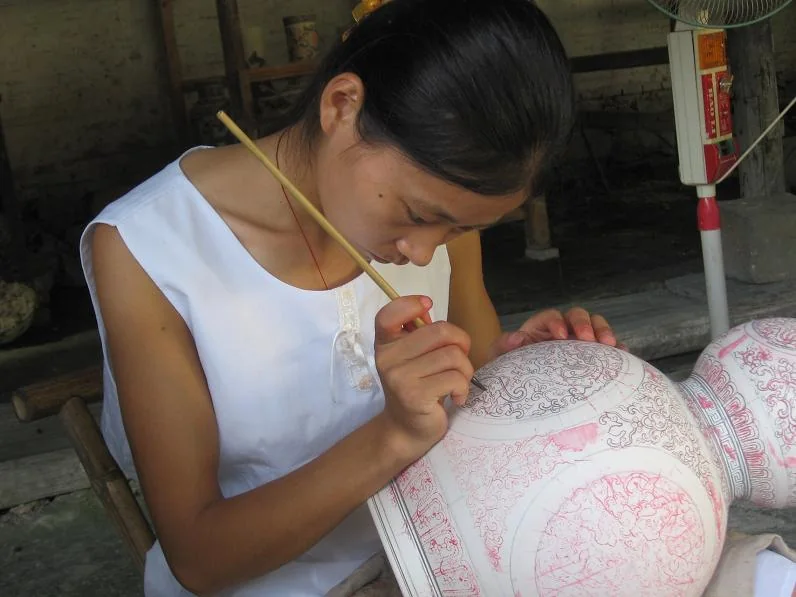
People of porcelain
This documentary report follows the hands and working rhythms that keep Jingdezhen ceramic culture active in the present.